Mūd
Mud is loam, silt, or clay mixed with water.
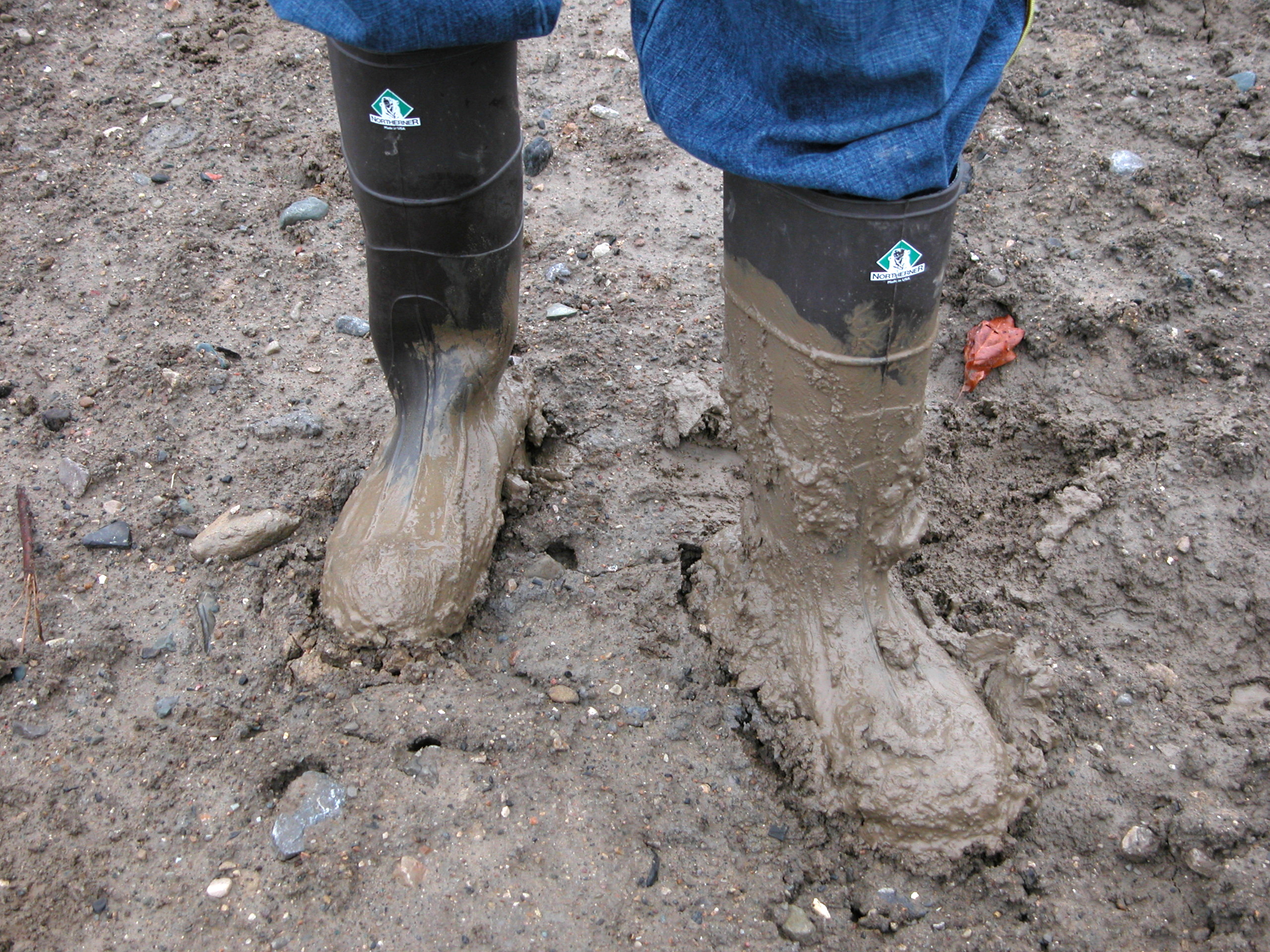
Mud is loam, silt, or clay mixed with water. Mud is usually formed after rainfall or near water sources. Ancient mud deposits hardened over geological time to form sedimentary rock such as shale or mudstone. When geological deposits of mud are formed in estuaries, the resultant layers are termed bay muds. Mud has also been used for centuries as a construction resource, mostly for houses, and also as a binder. An Old English word for it was fen, now in most dialects referring to a type of wetland.
Adapted from Wikipedia, CC BY-SA 4.0.
Getting to Mūd
- Airports
- Birjand (XBJ), 31 km
- Kerman → MūdTrain, bus, flight, ferry and road, side by side
- Zahedan → MūdTrain, bus, flight, ferry and road, side by side
- Mashhad → MūdTrain, bus, flight, ferry and road, side by side
- Plan a tripFrom anywhereThe planner compares every way there from wherever you are.
No local-transport research exists yet for Mūd
Our researched notes are written from a sourced entry: every shared taxi, boat and village bus with its operator, its rule, its fare and the year we saw it, and what could not be confirmed. Nobody has done that work for Mūd. What is above is what we hold from open sources; nothing here pretends to be more.
- 011,047 km
- 021,233 km
- 031,443 km
- 041,445 km
- 051,492 km
If you know how people move in Mūd – the stand, the rule, the fare – tell us, and the note gets an entry.