Kyoto beyond the postcards: A first-time visitor’s guide
Plan your first Kyoto trip with famous sights, local transport, where to stay, a five-day itinerary, seasonal advice and a practical budget.
 By Ryyan SafarPublished 11 min read
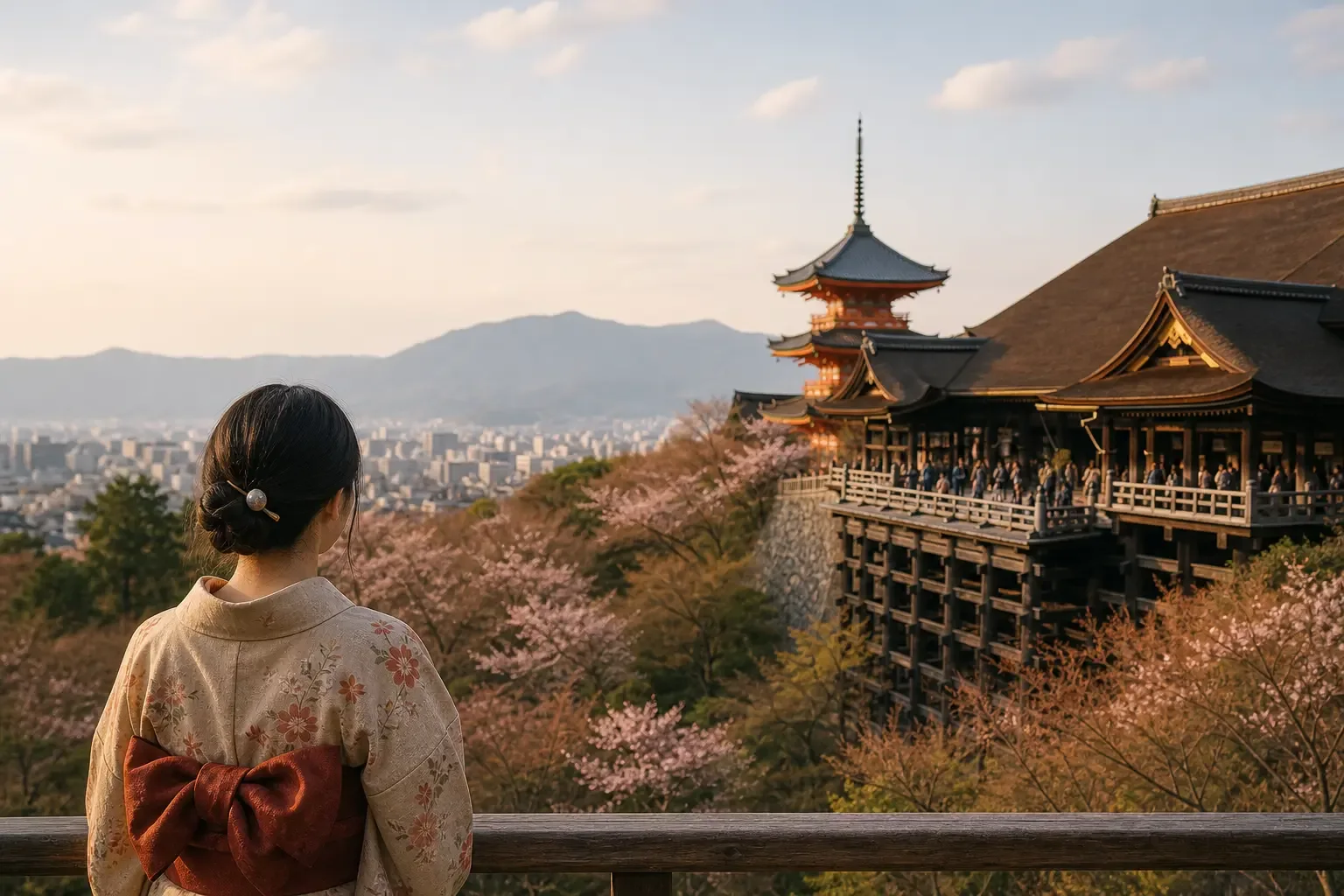
Kyoto’s best-known sights are spread across the city. The red gates of Fushimi Inari lie to the south, Arashiyama’s bamboo paths are in the west, and the streets around Kiyomizu-dera climb into the eastern hills. Trying to connect them all in one day can leave more time for transport than for exploring.
For a first trip, plan around neighbourhoods. Give eastern Kyoto a day, Arashiyama another, and leave room for gardens, food and the streets between the landmarks. This Kyoto travel guide brings those pieces together, with places to visit, transport choices, a suggested five-day itinerary and a budget you can adjust.
How many days do you need in Kyoto?
We recommend four to five full sightseeing days for a first visit. That gives you time for the major attractions without fitting every temple into a single afternoon.
With three days, focus on eastern Kyoto, Arashiyama and Fushimi Inari, adding central sights where time allows. With five days, you can include Nijo Castle, northern Kyoto and a slower garden walk.
These are suggested sightseeing days. Add time for arriving in Japan, reaching your accommodation and departing.
Best time to visit Kyoto
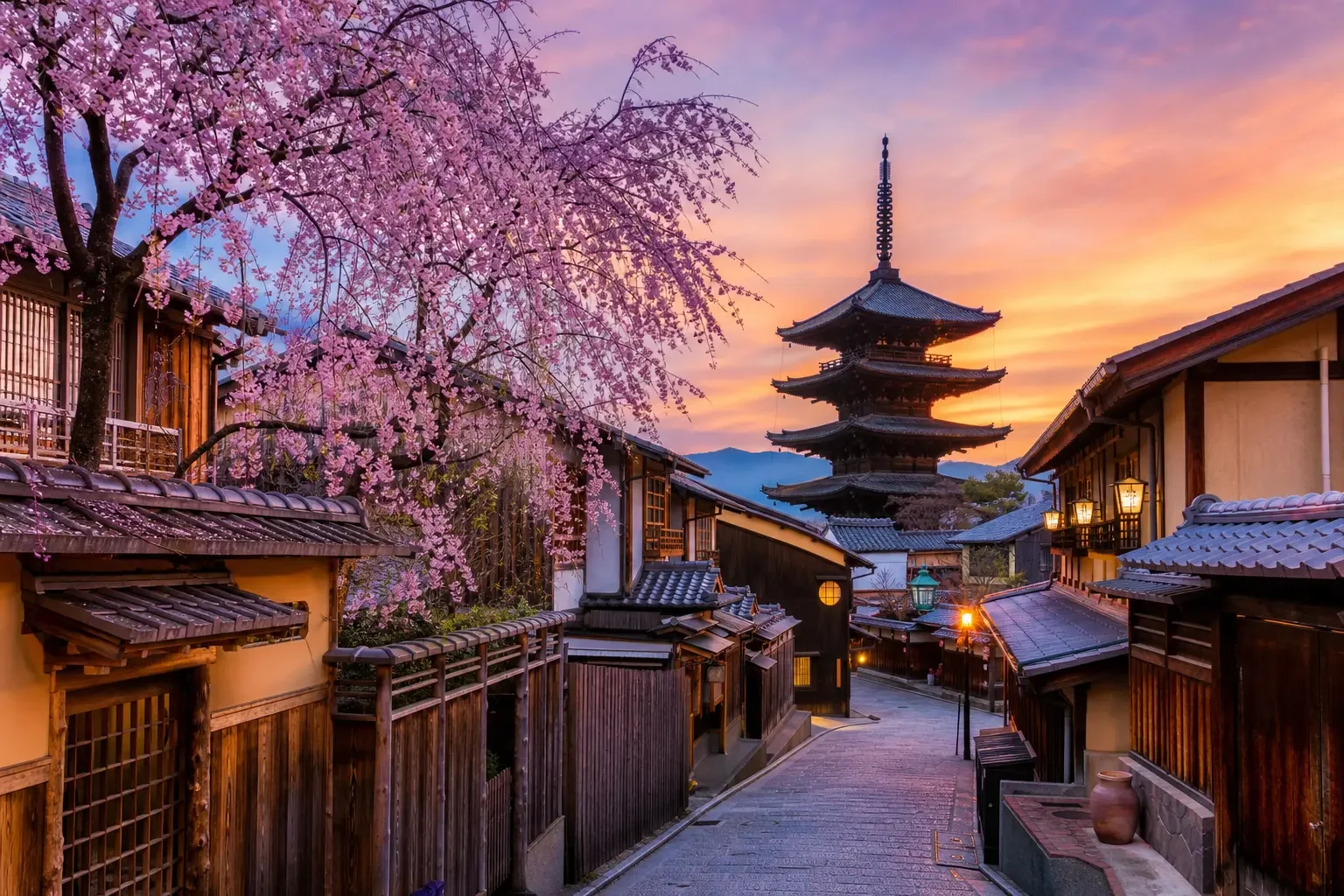
Spring and autumn are the most comfortable seasons for sightseeing, according to Kyoto’s official tourism guide. Summer is hot and humid, while winter requires warmer clothing, particularly for mornings and evenings. Kyoto seasonal guide
| Season | What to plan around |
|---|---|
| Spring | Blossoms, garden visits and popular sightseeing periods |
| Summer | Heat, humidity and a slower outdoor schedule |
| Autumn | Changing leaves, temple gardens and seasonal evening openings |
| Winter | Cold weather and shorter outdoor sightseeing sessions |
Visiting Kyoto in November
November is a strong choice if autumn foliage is a priority, but colour depends on the location and the year. Kiyomizu-dera lists its usual autumn viewing window as mid-November to early December, while stressing that the best dates vary annually. Check foliage updates before fixing your sightseeing order. Kiyomizu-dera seasonal information
For 2026, Kiyomizu-dera lists special night viewing from 21–30 November, with closing at 9:30 p.m. and last entry at 9 p.m. These dates apply to that year’s programme; check the temple’s calendar for future trips. Official events calendar
Book accommodation early for your chosen dates, and keep one flexible day for weather or a garden whose colours are developing later than expected.
How to reach Kyoto
From Kansai International Airport
For an international trip centred on Kyoto, check flights into Kansai International Airport (KIX). JR West’s HARUKA provides a direct railway connection to Kyoto Station. Check your actual service for the journey time and allow additional time for immigration, baggage collection and reaching the platform. JR West HARUKA information
An important price change affects upcoming trips: the discounted adult HARUKA one-way ticket between Kansai Airport and Kyoto costs ¥2,700 for purchases from 1 November 2026, up from ¥2,200.
This is a specific discounted product with eligibility and purchase conditions. It requires a foreign passport and Temporary Visitor status; it is not the standard fare available to every passenger. Check the official booking instructions before buying. HARUKA prices and eligibility
From Osaka or Tokyo
Kyoto is connected to Japan’s intercity railway network. When comparing routes, use your actual starting station and hotel location rather than choosing by train name alone. Kyoto’s official access guide brings together Shinkansen, airport and other arrival options. Getting to Kyoto
For example, a train arriving at Kyoto Station still leaves a final journey if your accommodation is in Gion or near another railway line.
Where to stay in Kyoto
Choose your base around the journeys you expect to make. These are our practical recommendations:
| Area | Best fit | Trade-off |
|---|---|---|
| Kyoto Station area | Airport transfers, onward trains and several sightseeing day trips | You will travel to many of the eastern walking areas |
| Shijo–Karasuma | A central base for mixing sightseeing, meals and shopping | Check the exact walk between your hotel and station |
| Kawaramachi or Gion-Shijo | Evening walks and access to eastern Kyoto | Busy streets may be less suitable if you want a quiet base |
| Arashiyama | Travellers prioritising western Kyoto | Less convenient for repeatedly visiting the opposite side of the city |
Check the total room price, cancellation terms and accommodation tax before booking. A low nightly headline price may exclude charges collected at the property.
Best places to visit in Kyoto
The time allowances below are suggestions for planning, not fixed visit durations. Add time for queues, meals and walking between stops.
1. Fushimi Inari Shrine
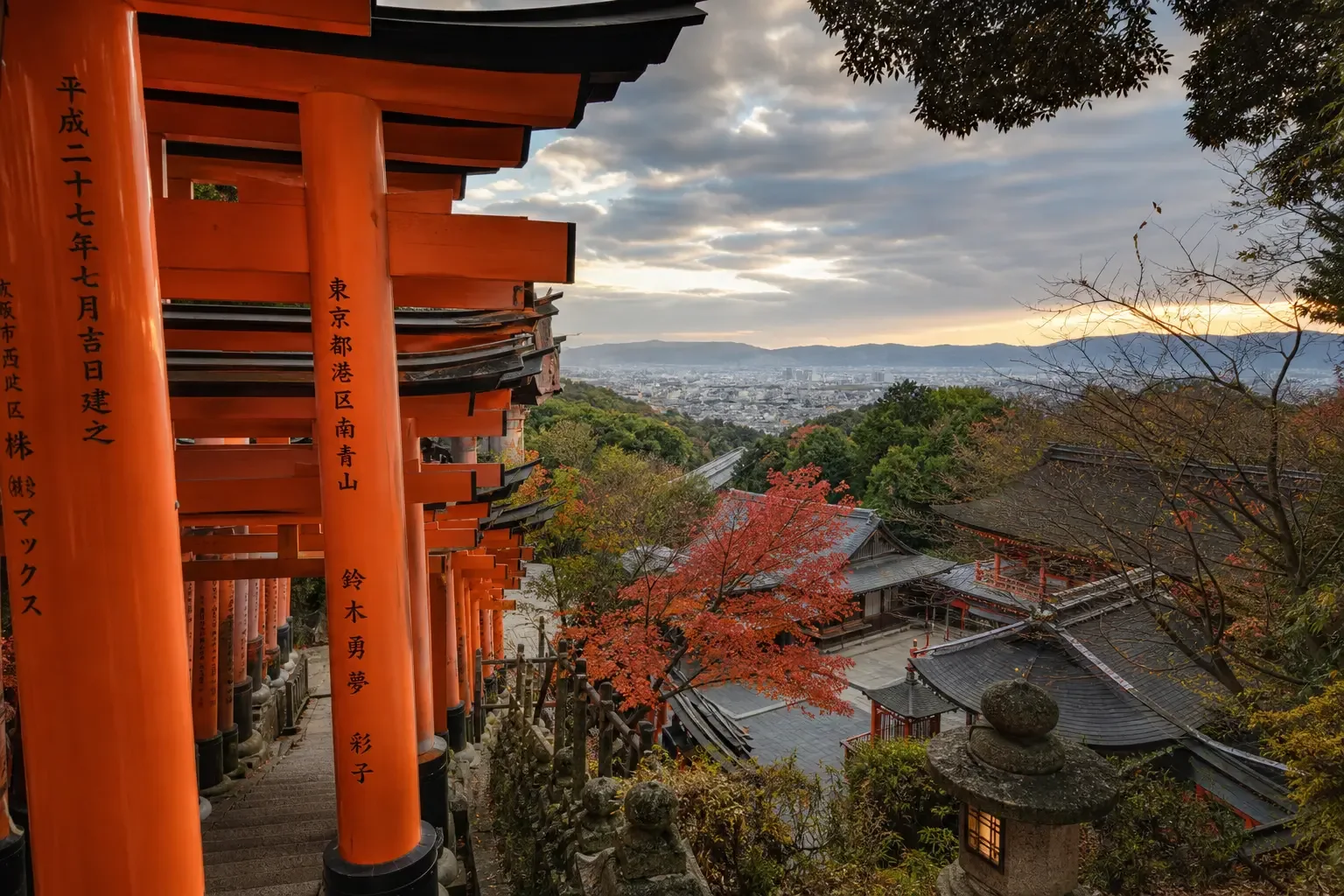
Fushimi Inari is the place to visit for Kyoto’s famous vermilion torii gates. Decide beforehand whether you want a short visit around the lower shrine or a longer walk on the mountain paths.
How to get there: The shrine is beside Inari Station on the JR Nara Line, two stops from Kyoto Station. The shrine’s official guide lists the train journey as approximately five minutes. Fushimi-inari Station on the Keihan line is another option, followed by a short walk. Official access guide
Suggested time: Around 1½–2 hours for an unhurried lower-area visit; allow more for a substantial mountain walk.
Start early if it suits your schedule, wear shoes suitable for steps and leave enough energy for the rest of the day.
2. Kiyomizu-dera and the Higashiyama streets
Build a half-day around Kiyomizu-dera, then continue through the surrounding streets rather than treating the temple as a quick photo stop.
The temple opens at 6 a.m., although closing times change with the season and special events. An early visit can also leave time for the surrounding area as shops begin opening. Kiyomizu-dera visitor FAQ
How to get there: Plan your approach using Kyoto’s official transport guide. For the Gion and Kiyomizu area, it suggests travelling from Kyoto Station via JR to Tofukuji and transferring to the Keihan line. Your final station and walk depend on the route you choose. Getting around Kyoto
Suggested time: Half a day for the temple, sloping streets and breaks.
3. Gion and Yasaka Shrine
Combine Gion with your eastern Kyoto day. Walk the public streets, visit Yasaka Shrine and leave time for dinner nearby.
Gion is also a working neighbourhood. Follow private-property signs and photography restrictions. Kyoto’s official guidance specifically asks visitors not to chase, touch or photograph geiko and maiko without permission. Kyoto sightseeing guidelines
Suggested time: Two to three hours, longer with a meal or a booked cultural activity.
4. Arashiyama Bamboo Grove
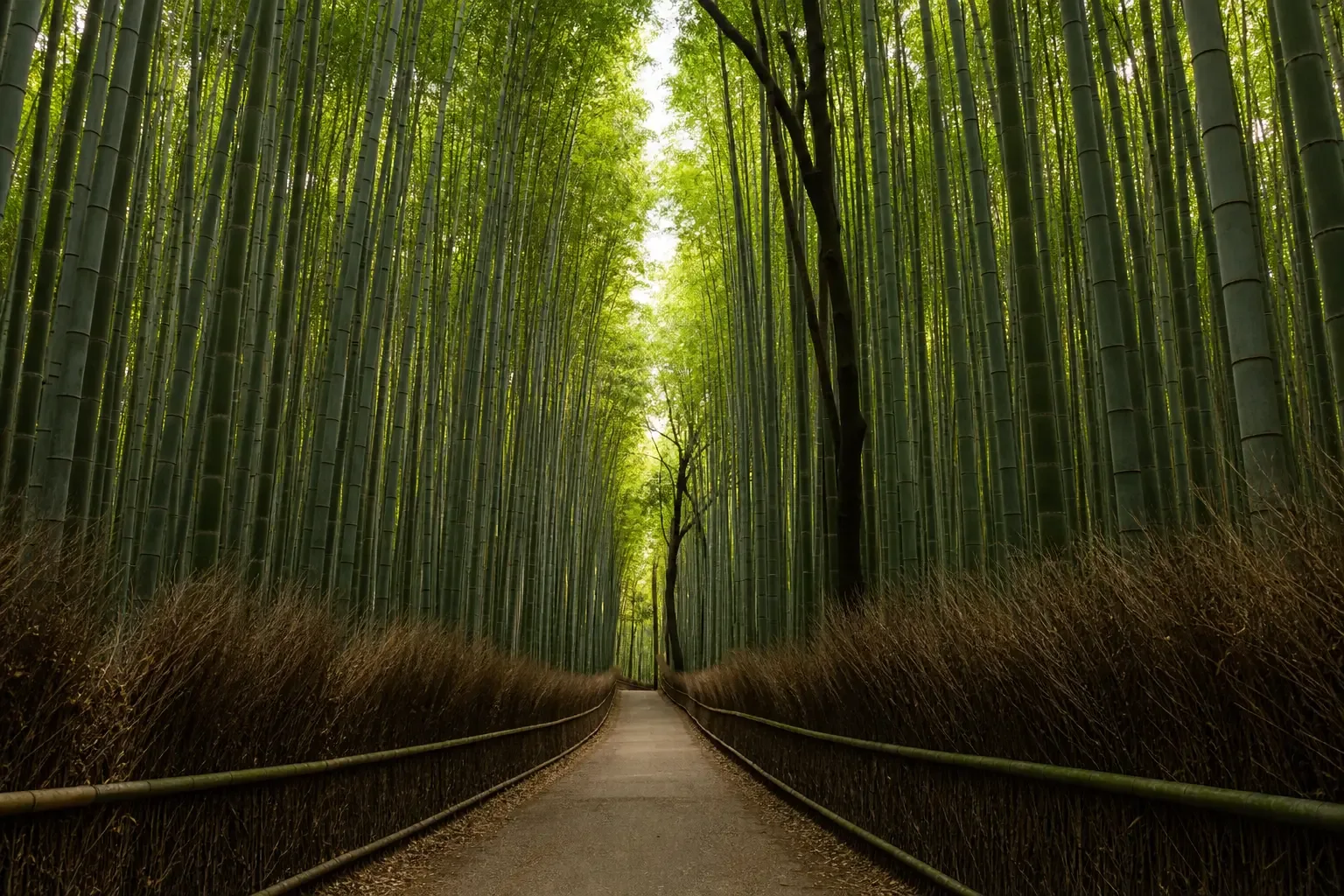
Arashiyama deserves more than a rushed visit to the bamboo path. Use the grove as part of a wider day in western Kyoto, allowing time for the surrounding area and a garden visit.
How to get there: The Japan National Tourism Organization places the bamboo grove approximately 10 minutes on foot from Saga-Arashiyama Station on the JR Sagano Line. Arashiyama Bamboo Grove
Suggested time: Half a day to a full day for Arashiyama, depending on the additional sights you choose.
Avoid scheduling several distant attractions immediately afterwards. A relaxed western Kyoto day is easier to adjust than a sequence of tightly timed connections.
5. Kinkaku-ji, the Golden Pavilion
Kinkaku-ji is a useful addition if its pavilion and garden setting are high on your list. It sits in a different part of the city from Higashiyama, so give the transfer its own space in your plan.
How to get there: The temple identifies Kinkakuji-michi as its city-bus stop.
Current visitor reference: Adult admission is ¥500, with regular opening hours of 9 a.m.–5 p.m. Check for changes before travelling. Kinkaku-ji official visitor information
Suggested time: Around 60–90 minutes on site, plus transport.
6. Nijo Castle
Nijo Castle adds variety to a temple-heavy itinerary. Choose your ticket by the areas you want to enter.
The official ticket page currently lists ¥1,300 for adult castle admission with Ninomaru-goten Palace. Honmaru-goten Palace requires a separate ticket and advance reservation. Palace closure dates also need checking before purchase. Nijo Castle tickets
How to get there: Check the castle’s official access information alongside your starting station.
Suggested time: Two to three hours, depending on the areas included in your ticket.
7. Nishiki Market
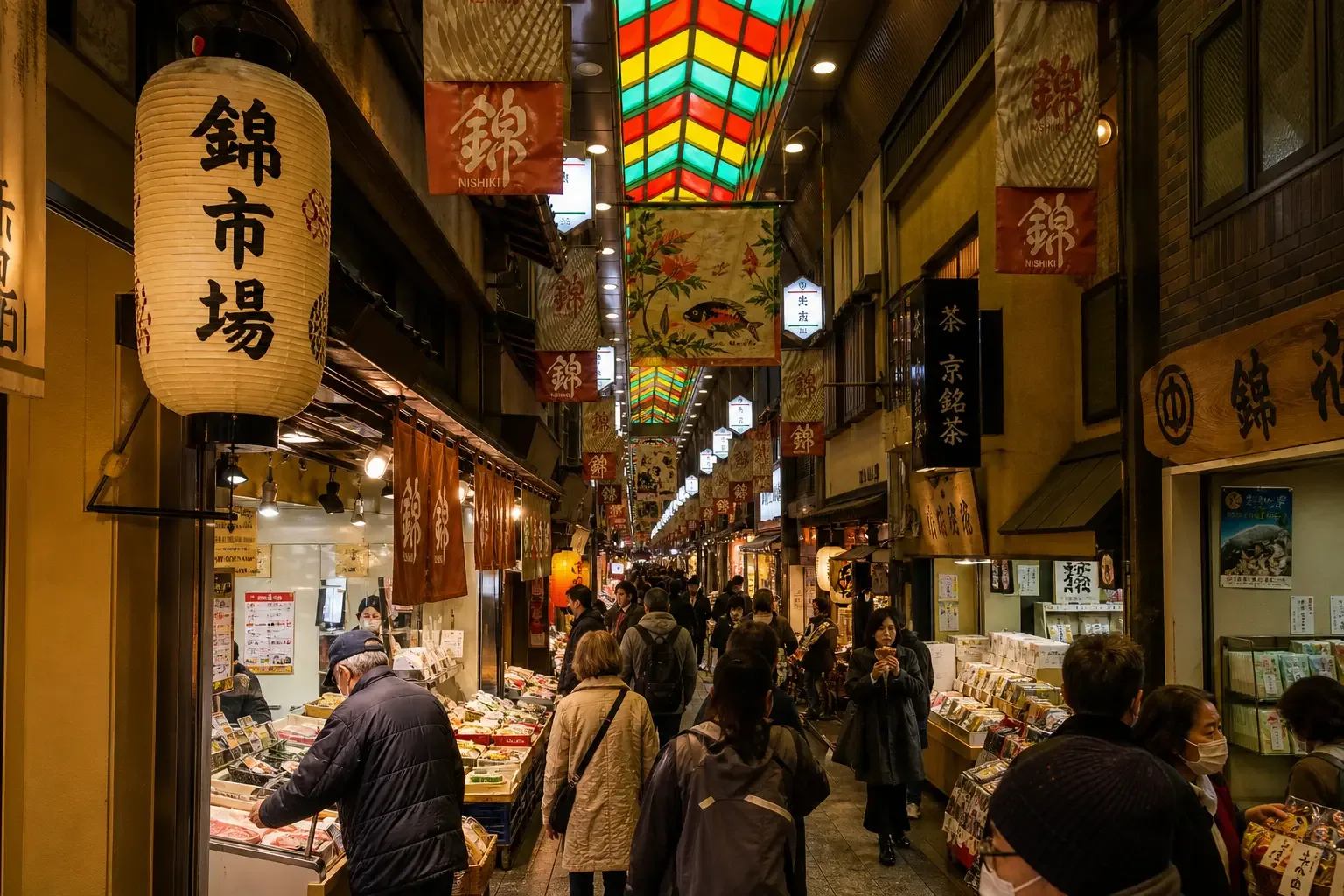
Visit Nishiki Market for food shopping, ingredients and a selection of small purchases rather than assuming every stall follows one schedule.
The market association says individual shops set their own opening hours and closing days. It also asks visitors to eat purchases at the shop or in the shop’s designated space, rather than walking through the market while eating. Nishiki Market FAQ
Suggested time: One to two hours, with extra time for a sit-down meal.
8. Philosopher’s Path
Use the Philosopher’s Path as a slower walking section of your trip. Kyoto’s official guide provides access information for the path and nearby Ginkaku-ji area. Philosopher’s Path
Suggested time: Half a day when combined with selected nearby stops.
Choose one or two places to enter along the way. Trying to visit every temple can turn a pleasant walk into another timetable.
Things to do in Kyoto beyond sightseeing
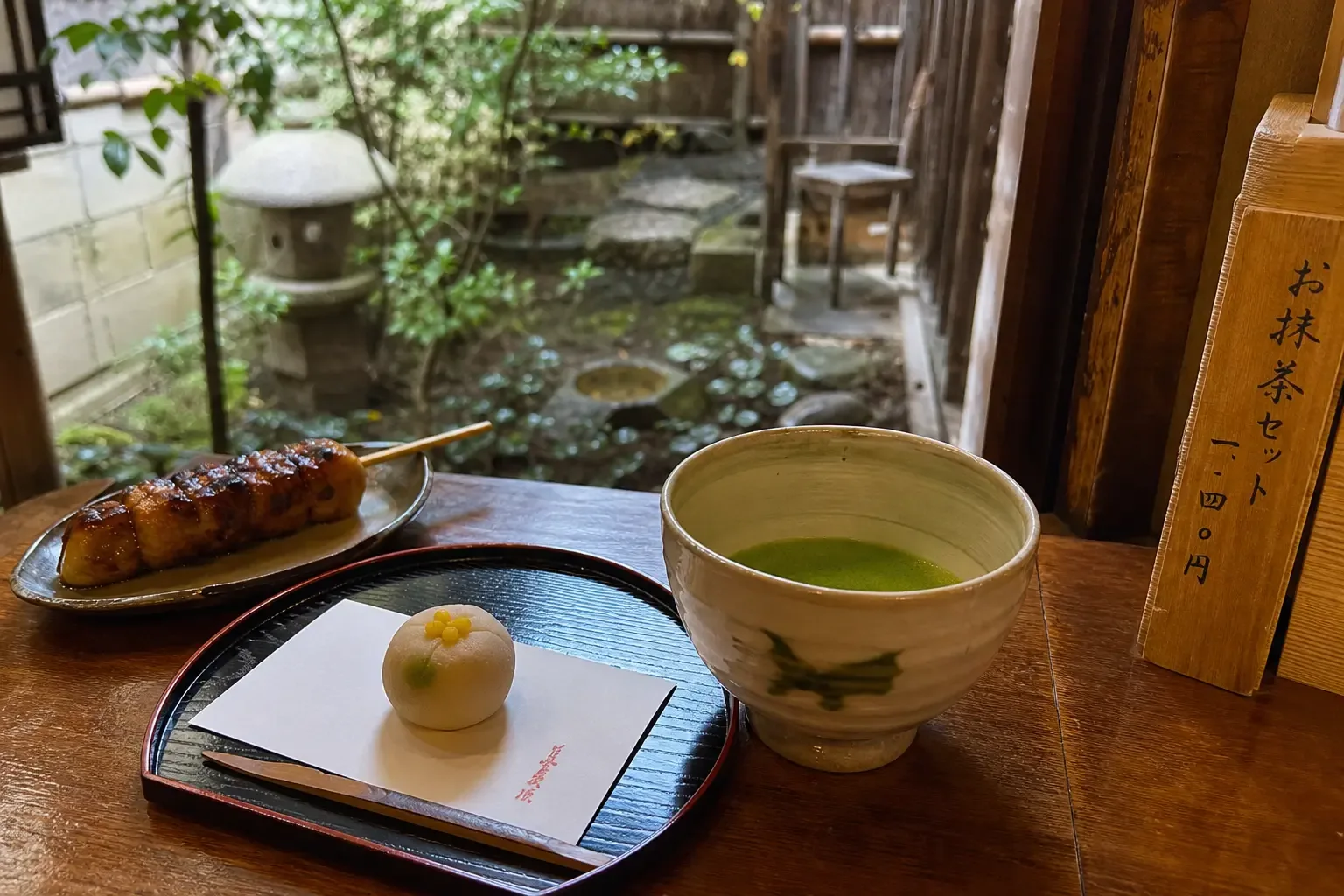
Leave space for activities that do not depend on reaching another landmark:
Book a tea experience. Check the language, duration and what is included before reserving.
Plan a meal around local dishes. Use Nishiki’s official shop directory to explore options such as tofu products, pickles, sweets and obanzai.
Browse craft and household-goods shops. Nishiki’s directory also includes cooking tools, chopsticks and tableware.
Take a neighbourhood walk between attractions. A café stop or an hour without a booking makes the itinerary easier to enjoy.
Nishiki’s official directory is useful for identifying shops and contacting them about availability or ingredients. Nishiki Market shop information
Getting around Kyoto
Use rail and subway services for the main journey where practical, then walk or take a bus for the final section. Kyoto’s official transport guide provides destination-based route suggestions. Kyoto transport guide
Is the subway and bus day pass worth it?
The Subway & Bus 1-Day Pass costs ¥1,100 for adults. It covers the municipal subway and specified bus networks, with exclusions on some routes. It is not a pass for every railway company in Kyoto. Official pass coverage
Compare the fares for your planned journeys before buying. A walking-heavy day or one relying on railway services outside the pass may be better paid separately.
Plan around crowds and luggage
Check Kyoto’s congestion forecast and live cameras when choosing the order of popular stops. The forecast is a planning aid, not a promise of an empty attraction. Kyoto Travel Congestion Forecast
Leave large luggage at your accommodation or use a suitable storage service before sightseeing. Kyoto’s visitor guidance recommends travelling without large bags to help reduce pressure on crowded streets and buses. Official visitor guidance
5-day Kyoto itinerary for first-time visitors
This plan assumes five sightseeing days. Arrange arrival and departure separately, or remove stops if your flights reduce the time available.
| Day | Main area | Suggested plan |
|---|---|---|
| 1 | Southern Higashiyama | Kiyomizu-dera, surrounding streets, Yasaka Shrine and Gion |
| 2 | Arashiyama | Bamboo grove, a selected garden visit and a slower afternoon nearby |
| 3 | Southern Kyoto and downtown | Fushimi Inari in the morning; Nishiki Market and central shopping later |
| 4 | Northern and central Kyoto | Kinkaku-ji, lunch, then Nijo Castle if ticket access and timing suit |
| 5 | Eastern Kyoto | Philosopher’s Path and selected nearby temples or gardens |
Day four involves a transfer between separate areas. If you prefer a slower pace, choose either Kinkaku-ji or Nijo Castle and use the remaining time nearby.
For autumn travel, swap days according to weather, foliage reports and confirmed evening openings. Avoid adding a late temple visit after every full day.
If you only have three days
Prioritise:
Kiyomizu-dera, Higashiyama and Gion.
Arashiyama.
Fushimi Inari and one central attraction.
Save northern Kyoto and the extended eastern garden walk for another visit.
Planning another Asian city break? Explore our Hong Kong travel guide for sightseeing, transport and budget advice.
Kyoto trip budget: What should you plan to spend?
The following is an illustrative five-day, four-night budget per adult, assuming two adults share a room. These are planning allowances, not surveyed live prices or guaranteed November rates.
International flights, travel insurance, visas where required, shopping and transport from other Japanese cities are excluded.
| Expense | Budget-conscious plan | Mid-range plan |
|---|---|---|
| Accommodation: four nights, per person | ¥20,000–32,000 | ¥40,000–64,000 |
| Food: five days | ¥12,500–17,500 | ¥20,000–30,000 |
| Local transport allowance | ¥4,000–6,000 | ¥6,000–10,000 |
| Attractions allowance | ¥4,000–7,000 | ¥7,000–12,000 |
| Return KIX–Kyoto HARUKA allowance | ¥5,400 | ¥5,400 |
| Estimated subtotal | ¥45,900–67,900 | ¥78,400–121,400 |
The airport allowance assumes two eligible discounted adult tickets purchased at ¥2,700 each under the pricing effective from 1 November 2026. Confirm purchase conditions and availability.
Add accommodation tax and a contingency allowance. Paid workshops, guided activities, taxis and special exhibitions can increase the total.
Remember Kyoto’s accommodation tax
From 1 March 2026, Kyoto’s accommodation tax includes:
¥200 per person per night when the applicable accommodation fee is below ¥6,000.
¥400 when it is ¥6,000–19,999.
¥1,000 when it is ¥20,000–49,999.
Higher fee bands carry higher taxes. Ask the property whether the displayed total includes the tax and how it calculates your per-person accommodation fee. Kyoto accommodation tax notice
To control spending, compare complete hotel totals first, group sights by area and choose paid experiences deliberately. Cutting unnecessary cross-city journeys also protects your sightseeing time.
Frequently asked questions
Is Kyoto worth visiting in November?
Yes, if autumn scenery is a priority and you are comfortable planning around a popular sightseeing season. Foliage timing varies, so check current reports rather than relying on a fixed peak date.
Are three days enough for Kyoto?
Yes, for a selective introduction. Three days can cover eastern Kyoto, Arashiyama and Fushimi Inari, but four to five days allow more time for gardens, central attractions and breaks.
What should first-time visitors prioritise?
Start with Fushimi Inari, Kiyomizu-dera and Higashiyama, plus Arashiyama. Add Kinkaku-ji, Nijo Castle or a longer garden walk according to your interests and available days.
Should you buy a Kyoto transport pass?
Only if its coverage and price suit your planned journeys. The ¥1,100 subway and bus pass does not cover every railway service, so compare it with paying separately for that day’s route.
Is it better to stay in Kyoto or visit from Osaka?
Stay in Kyoto if early starts, evening walks and several full sightseeing days are priorities. An Osaka base can suit a wider Kansai trip, but include the daily return journey and your hotel’s station access in the comparison.
How much does a five-day Kyoto trip cost?
Using this guide’s assumptions, allow roughly ¥46,000–68,000 per person for a budget-conscious trip, before accommodation tax, contingency and the excluded expenses. Replace the accommodation estimate with a quote for your actual dates before setting your final budget.
Related articles
- Tutorial
What to see and do on your first Hong Kong trip
Explore Hong Kong’s famous sights, transport options, travel costs and best seasons, with a practical five-day itinerary for your first visit.
Ryyan Safar8 min read