Europe by Train: A Complete Planning Guide
Plan a Europe train trip with route ideas, rail passes, reservations, budgets, luggage advice and practical booking tips.
 By Ryyan SafarPublished 3 min read
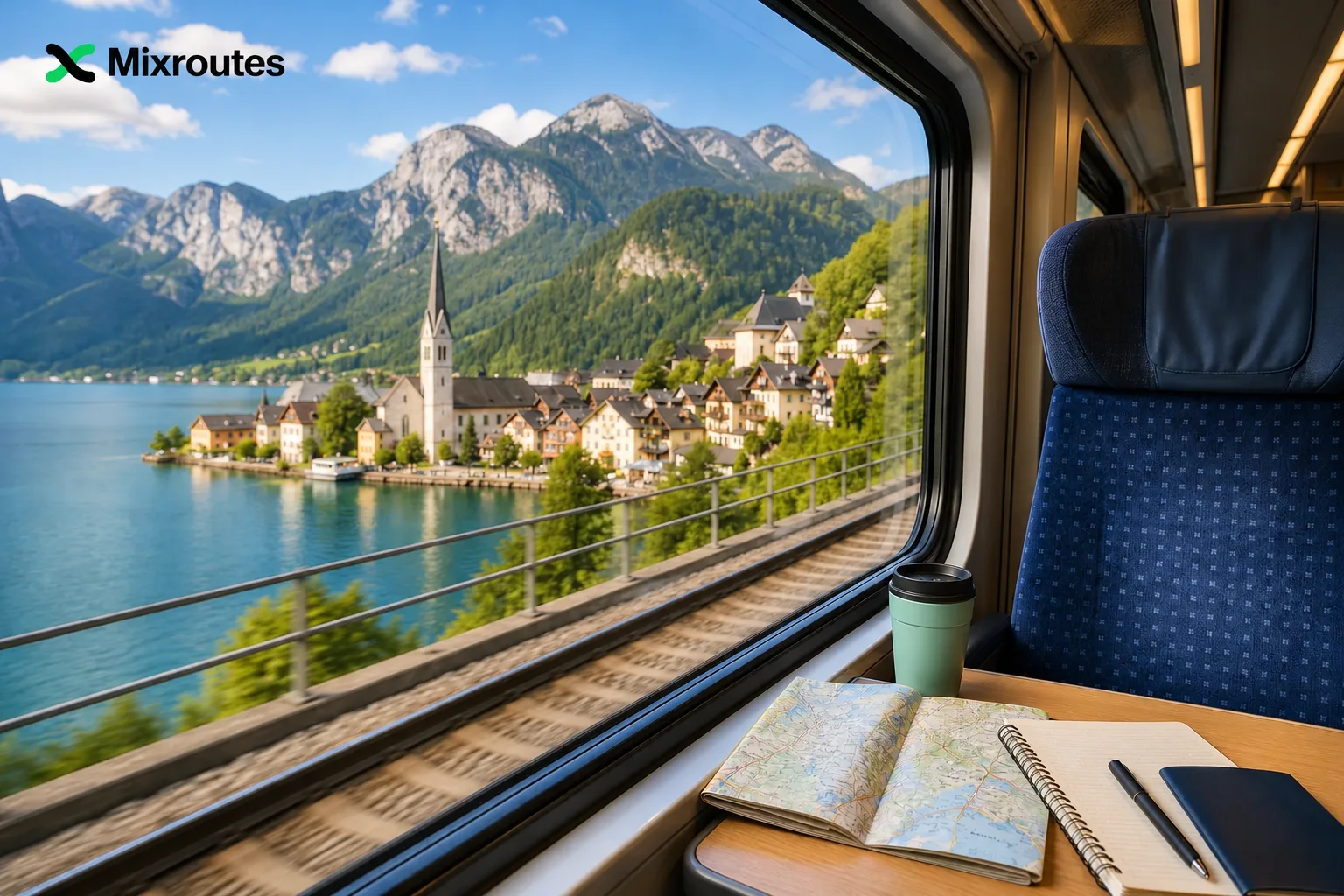
Travelling by train is one of the most practical ways to connect European cities, especially when stations are central and the journey becomes part of the holiday. This Europe train travel guide explains how to build a route, compare rail passes with point-to-point tickets and avoid common booking mistakes.
Start with MixRoutes route planning to map connections and compare the order of your stops.
Why choose train travel in Europe?
Trains can reduce airport transfers, offer scenic views and make multi-city travel easier. They are not always the cheapest option, so compare the complete door-to-door cost, journey time, seat reservations and luggage rules.
How to build a Europe train itinerary
Choose two or three geographic clusters rather than crossing the continent every day. A first route might connect Paris, Brussels, Amsterdam and London, or Milan, Florence, Rome and Zurich, with buffer time for delays and long station changes.
Rail pass or point-to-point tickets?
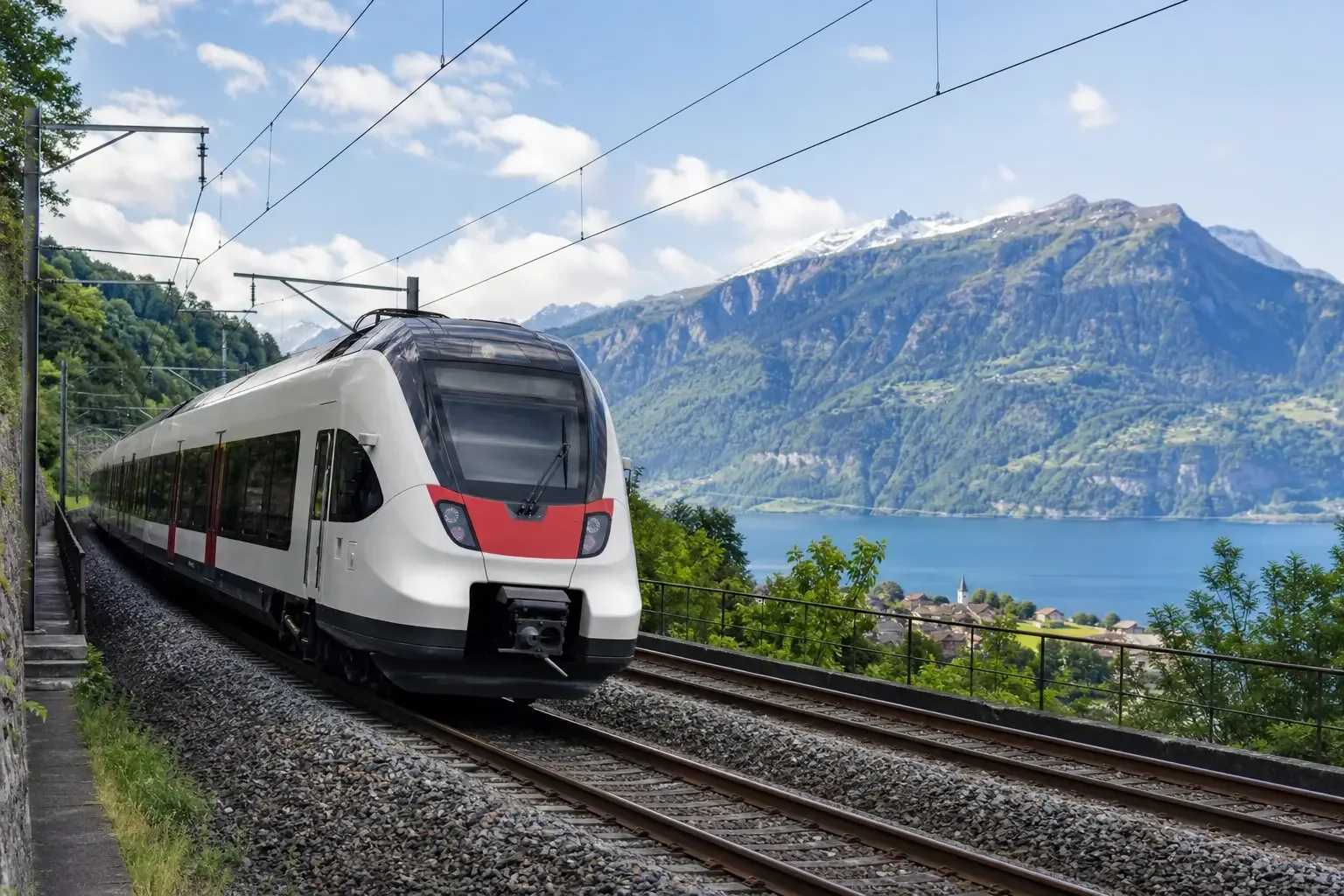
A rail pass can suit flexible travellers taking several long journeys, while advance point-to-point tickets may cost less when your dates are fixed. Compare the pass price, reservation fees, eligible trains and refund rules on the official operator or pass website before buying.
Popular train routes and scenic journeys
High-demand corridors such as London–Paris, Paris–Brussels and northern Italy are convenient for first-time visitors. Scenic routes through Switzerland, the Alps and coastal regions can be memorable, but slower regional trains may require more time and advance planning.
Reservations, seat types and sleeper trains
High-speed and overnight trains often require reservations even when a pass covers the fare. Book popular departures early, check whether a seat reservation is separate from the ticket and choose a couchette or sleeper only after reviewing comfort and cancellation conditions.
Budgeting for a Europe train trip
Budget for fares, seat reservations, station transfers, food, local transit and occasional accommodation near a station. Travelling outside peak hours, staying longer in each city and mixing high-speed services with regional trains can reduce the total.
Luggage and station tips
Pack a bag you can lift into an overhead rack and allow time to find the correct platform, especially at large interchange stations. Keep valuables close, label your luggage and avoid tight connections when changing between separate tickets.
Passenger rights and delays
Check current EU rail passenger rights before departure, especially if a delay affects a connection. Separate tickets may not provide the same protection as one through booking.
A simple seven-day route
Days 1–2: Paris; Day 3: Brussels; Days 4–5: Amsterdam; Day 6: return or add a nearby day trip; Day 7: departure. Adjust the sequence to your arrival airport and keep one flexible block rather than changing hotels every night.
Frequently asked questions
Is train travel in Europe expensive?
It can be affordable when booked early and planned around regional routes, but last-minute high-speed fares and reservations can be costly. Compare the full journey with flights, buses and rail passes before deciding.
Do I need a Eurail or Interrail pass?
Not always. Eurail is generally for travellers resident outside Europe and Interrail is for European residents, but eligibility and pass conditions vary, so check the official rules before purchase.
How far ahead should I book European trains?
Book popular high-speed, international and sleeper services as soon as reservations open when your dates are fixed. Regional trains are often more flexible, but verify local ticket and validation rules.