Dubai Tourism Guide: Why Travellers Choose the UAE
Explore Dubai tourism, UAE attractions, beaches, desert experiences, Abu Dhabi, costs, transport and a practical five-day holiday plan.
 By Ryyan SafarPublished Updated 9 min read
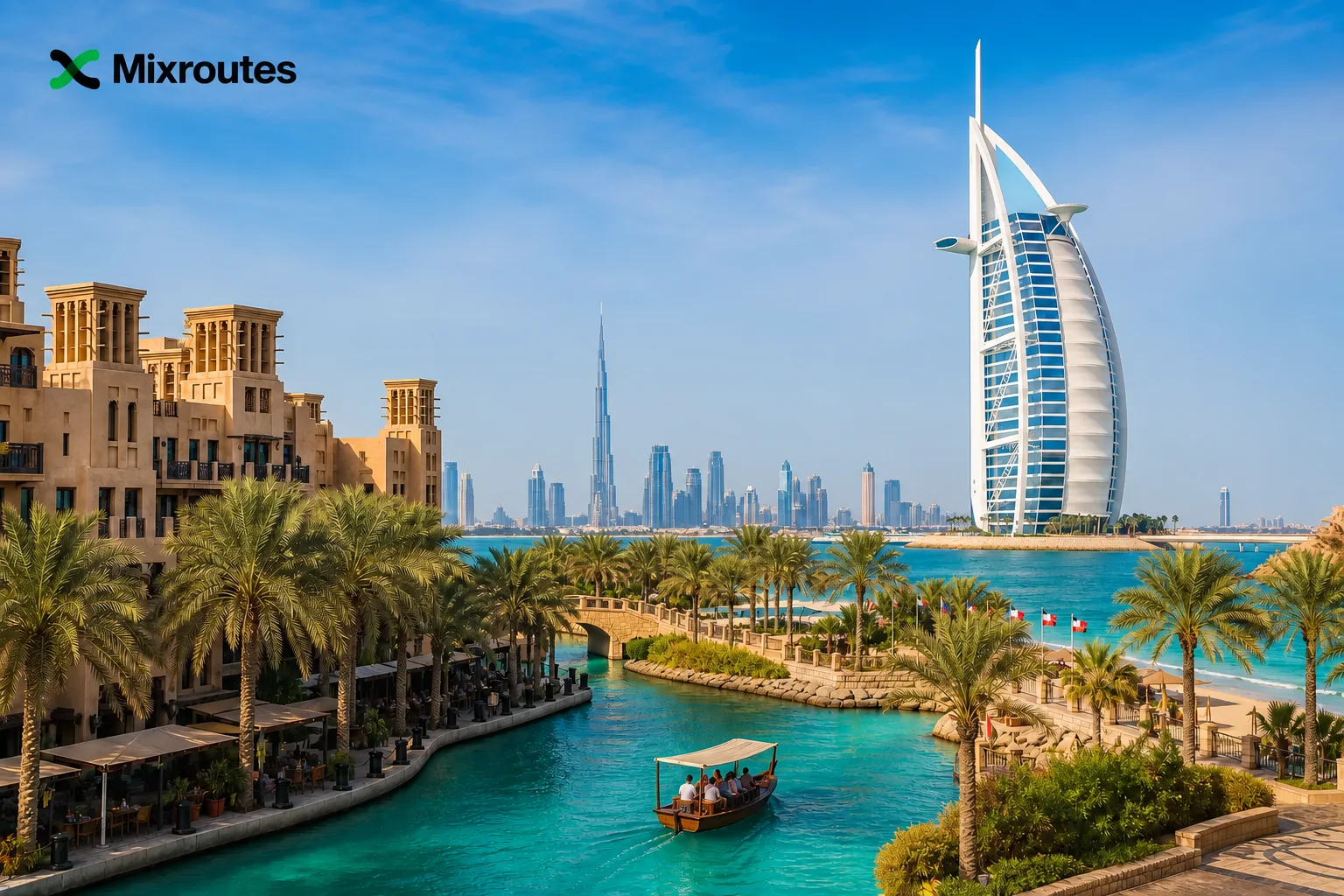
Dubai is often the first city travellers associate with the United Arab Emirates, but the wider UAE offers beaches, desert landscapes, heritage districts, museums and family attractions across several emirates. This guide explains why visitors choose the UAE, what to see, how to plan a practical holiday from India and how Dubai compares with other Arab destinations based on different travel priorities.
For route-planning ideas, browse MixRoutes and explore its travel routes before finalising your itinerary.
Why do travellers choose the UAE?
Easy international connectivity
Dubai and Abu Dhabi are major aviation hubs with frequent connections from Indian cities and many international markets. This makes the UAE convenient for short breaks, stopovers and multi-city holidays, especially when travellers want a destination that can be reached without several domestic connections.
The UAE’s compact geography is another advantage. A traveller can combine Dubai with Abu Dhabi, Sharjah or Ras Al Khaimah in one trip, using road transfers rather than booking multiple internal flights.
Modern attractions in a compact area
Dubai places landmarks, beaches, shopping, restaurants, museums and entertainment venues within a connected urban area. You can visit a skyscraper in the morning, relax at a beach in the afternoon and join a desert experience in the evening.
The official Visit Dubai attractions guide groups experiences into beaches, desert, culture, shopping, museums and family entertainment, making it useful for itinerary planning.
Family-friendly experiences
The UAE offers waterparks, aquariums, indoor adventure venues, observation decks, theme parks and educational attractions. Families can plan around air-conditioned venues during hot afternoons and outdoor activities during cooler hours.
This mix is useful when different travellers want different things. Children may prefer waterparks or interactive attractions, while adults can add museums, markets, restaurants or heritage walks.
Beaches and desert landscapes together
Dubai and Abu Dhabi offer beaches, marinas and waterfront promenades, while desert landscapes begin beyond the main urban areas. A single holiday can therefore include swimming, sunset walks, dune drives, desert camps and stargazing.
The experience changes depending on the operator. Compare group size, pickup location, meal inclusions, conservation practices and cancellation terms before booking a desert safari.
Modern life and heritage
The UAE is not only about malls and skyscrapers. Dubai’s Al Fahidi Historical Neighbourhood, Deira Creek, souks and museums offer a slower look at the city’s trading history and architecture.
Abu Dhabi adds Sheikh Zayed Grand Mosque, Qasr Al Hosn and Saadiyat Island’s cultural attractions. Dress respectfully at religious and heritage sites and check photography rules.
Best places to visit in Dubai
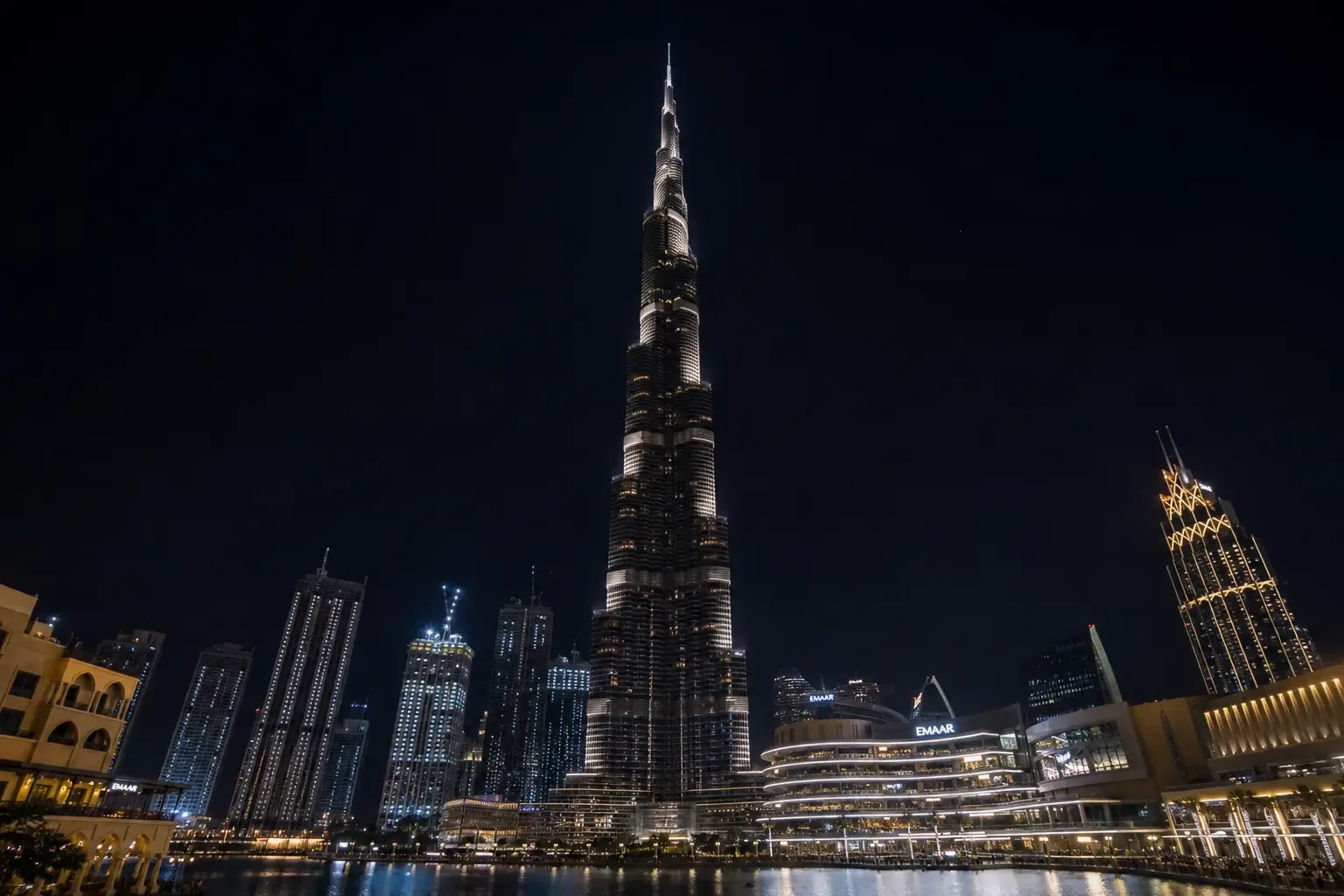
Downtown Dubai and Burj Khalifa
Downtown is the classic first-time Dubai area, with Burj Khalifa, Dubai Mall, Dubai Fountain and broad city promenades. It is convenient for visitors who want several major attractions close together, but hotels and restaurants here can be more expensive.
Book observation-deck tickets in advance when possible and allow time for security checks, queues and transfers between the mall, tower and nearby restaurants.
Dubai Marina and Jumeirah
Dubai Marina offers waterfront walks, restaurants, cruises and skyline views. Jumeirah and Kite Beach are better for a relaxed coastal day, while Palm Jumeirah adds resorts, beach clubs and observation points.
Choose the beach experience based on your budget. Public beaches usually cost less, while private beach clubs bundle loungers, food, pools and entertainment at a higher rate.
Old Dubai, Al Fahidi and Deira
Explore Al Fahidi Historical Neighbourhood, cross Dubai Creek by abra and visit the Gold Souk or Spice Souk. These areas are useful for travellers who want history, traditional markets and a less polished side of the city.
Plan this area in the morning or late afternoon, when walking is more comfortable. Wear practical shoes because the route includes uneven lanes and long outdoor stretches.
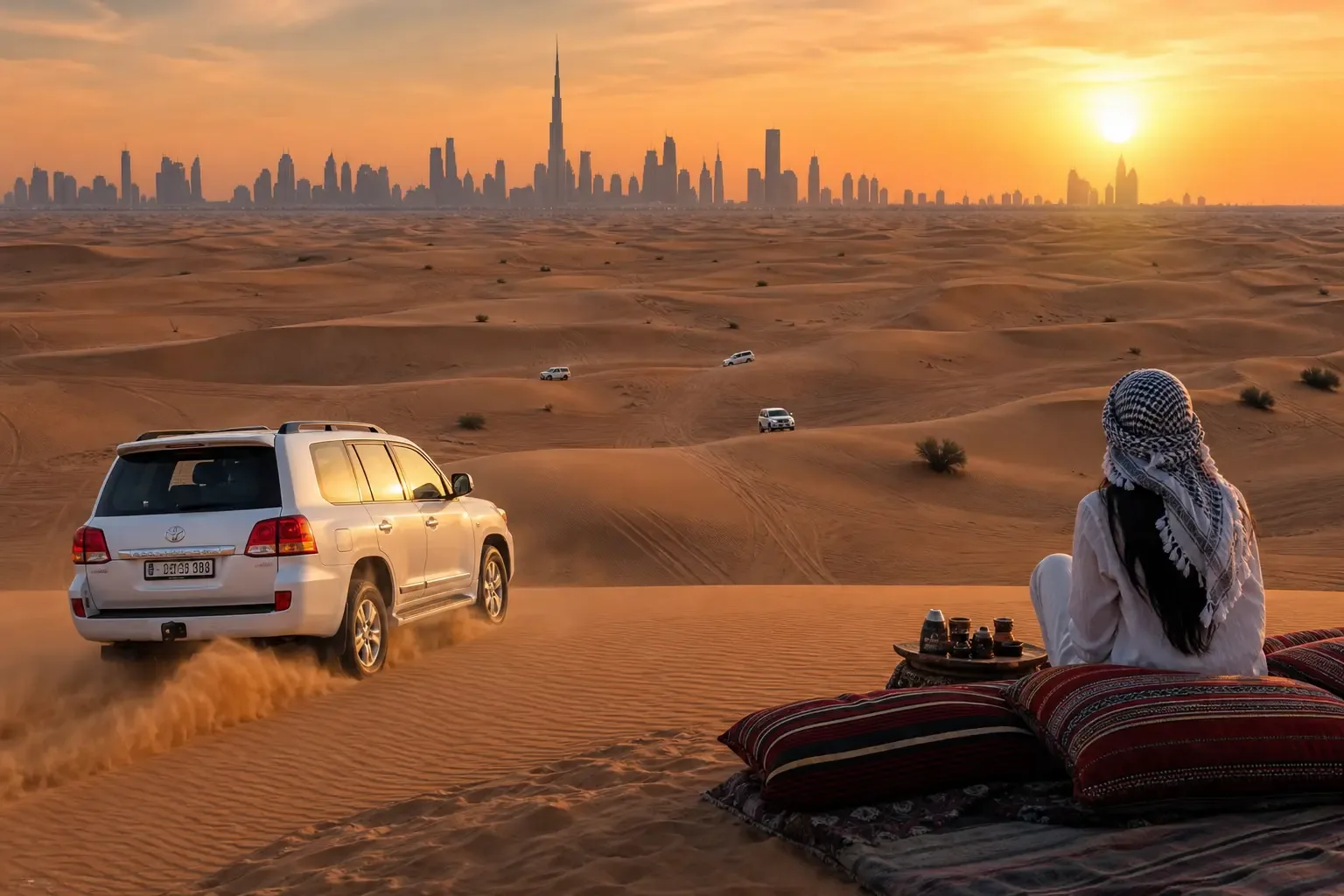
Desert experiences
A desert safari may include dune driving, a sunset stop, dinner, cultural performances or a quieter conservation-focused experience. Some packages are designed for families, while others focus on adventure or luxury camps.
Compare pickup times, vehicle type, meal quality, group size and return arrangements. A low headline price may not include every transfer or activity.
Museums and indoor attractions
Dubai’s museums, galleries, indoor theme parks, aquariums and observation decks help you plan around hot afternoons. They also give the itinerary more variety than shopping and skyline viewpoints alone.
Check opening hours, timed-entry rules, age restrictions and transport options before buying tickets, especially during school holidays or major events.
What to explore outside Dubai
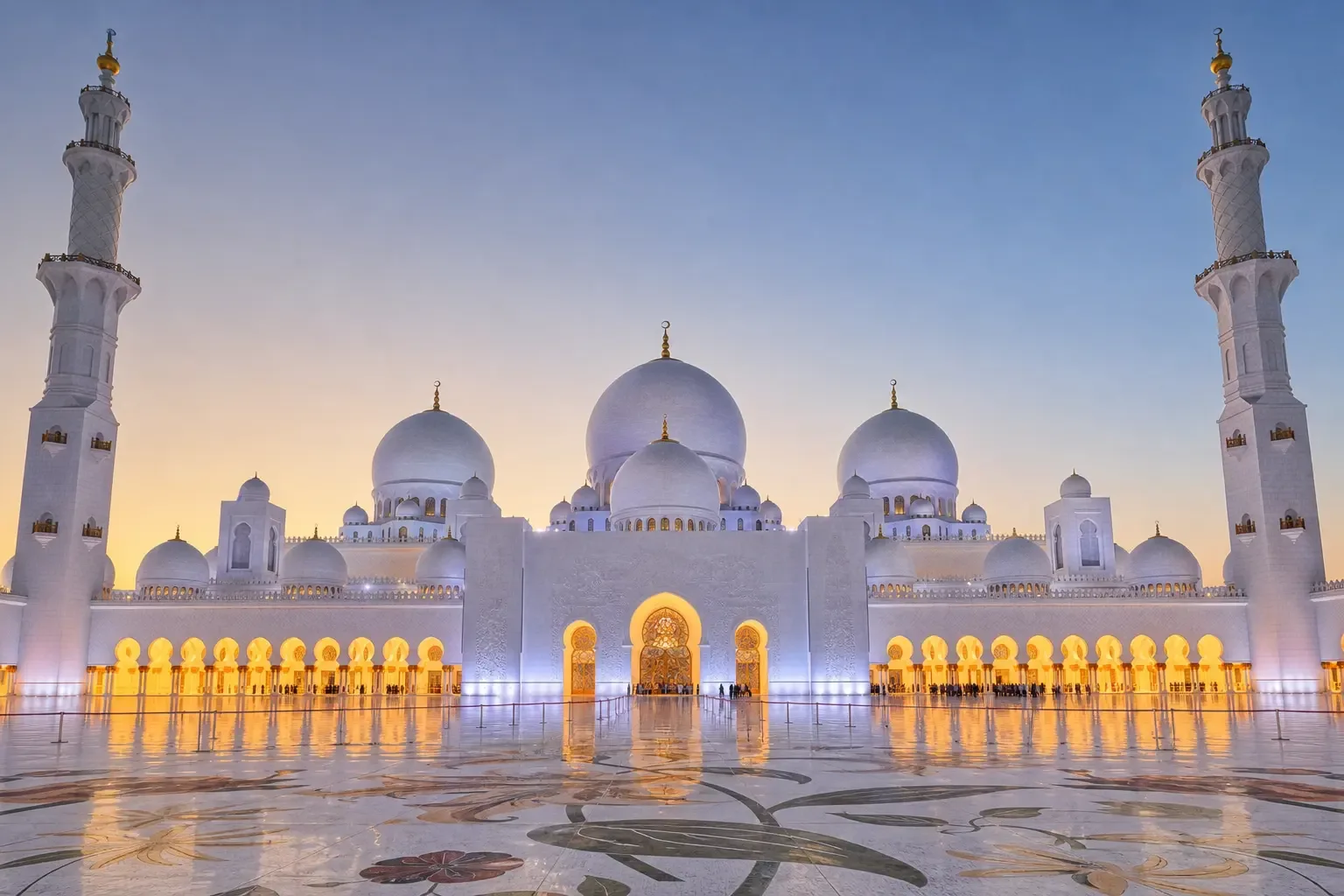
Abu Dhabi
Abu Dhabi suits travellers who want grand architecture, beaches, museums, heritage and family attractions. The capital offers a different pace from Dubai, with islands, waterfront areas and cultural landmarks.
Use the official Experience Abu Dhabi guide to plan Sheikh Zayed Grand Mosque, Qasr Al Hosn, Saadiyat Island, Yas Island and Al Ain.
Sharjah
Sharjah is a strong choice for museums, Islamic art, heritage areas and cultural programmes. It can feel quieter and more traditional than central Dubai, making it useful for travellers who want more context and fewer high-rise attractions.
Check visiting hours and dress guidance for museums, mosques and heritage sites before travelling from Dubai.
Ras Al Khaimah
Ras Al Khaimah offers mountains, outdoor activities, beaches and resort stays. Jebel Jais is a major draw for travellers looking beyond city sightseeing and shopping.
It works best as an overnight or carefully planned day trip because road travel takes time and some outdoor activities require advance booking.
Fujairah and Al Ain
Fujairah provides an east-coast alternative with beaches, diving, mountain scenery and historic sites. Al Ain offers oases, forts, mountain views and a slower cultural experience.
These emirates are better for travellers who have extra days and want to see more of the UAE beyond Dubai’s main attractions.
Dubai beaches, shopping and food

Dubai’s beaches range from public sands such as Jumeirah and Kite Beach to resort-based beach clubs. Public beaches are usually better for a simple day out, while beach clubs combine dining, loungers and entertainment at a higher cost.
Shopping is not limited to luxury malls. Combine Dubai Mall or Mall of the Emirates with Deira’s souks, outlet shopping, local markets and seasonal events.
Food is equally varied. You can find Emirati dishes, Indian, Lebanese, Persian, East Asian and international cuisines. Budget travellers can use neighbourhood restaurants, cafeterias and food courts rather than dining only in hotels.
How does the UAE compare with other Arab destinations?
The UAE is not automatically the best choice for every traveller. A visitor choosing between Arab destinations should compare the trip’s main purpose, budget, preferred pace and interest in beaches, heritage, nature or city attractions.
Choose the UAE if you prioritise frequent international flights, modern infrastructure, family attractions, shopping, beaches, desert experiences and a short itinerary covering several emirates.
Other destinations may be a better fit if your priority is ancient archaeology, long slow cultural travel, remote landscapes, lower-cost backpacking or traditional village life. The useful question is not which country is universally best, but which destination matches the holiday you want.
A practical five-day UAE itinerary
Day 1: Downtown Dubai
Visit Burj Khalifa or Dubai Mall, then spend the evening around the downtown promenade. Reserve a timed observation slot and group nearby attractions together to reduce travel time.
Day 2: Old Dubai and the Creek
Explore Al Fahidi, Deira, the souks and Dubai Creek. Use an abra ride and keep the afternoon flexible for a museum, café or market stop.
Day 3: Beach and Marina
Choose Jumeirah or Kite Beach in the morning, then continue to Dubai Marina or Palm Jumeirah. Keep the evening for waterfront dining or a cruise.
Day 4: Desert or Abu Dhabi
Choose a desert safari if you want dunes and sunset, or spend the day in Abu Dhabi visiting the Grand Mosque, Qasr Al Watan or Yas Island.
Day 5: Shopping, culture or another emirate
Use the final day for shopping, museums, Sharjah, Ras Al Khaimah or a slower neighbourhood experience. Keep airport-transfer time in mind before booking a late activity.
Dubai trip cost and budget planning
Dubai can be visited on different budgets, but accommodation and attractions can become expensive quickly. The largest costs are usually flights, hotels, airport transfers, attraction tickets and dining.
A budget-conscious plan can reduce costs by staying near a metro station, using public transport, eating in local neighbourhoods, booking tickets online and choosing fewer paid attractions. A mid-range plan can include a private room, restaurant meals, taxis, one desert experience and two or three major attractions.
Treat online prices as starting points and check the official attraction page before booking. Event schedules, ticket prices and entry rules can change.
How to reach Dubai from India

Dubai International Airport is the main gateway, while Abu Dhabi and Sharjah airports can also work depending on flight prices and accommodation. Compare the arrival airport with your hotel location before booking.
Indian travellers should verify passport validity, visa and entry requirements through official UAE or airline channels before departure. Do not rely on old social-media posts for current rules.
Best time to visit the UAE
The cooler months from roughly November to March are usually more comfortable for walking, beaches and desert activities, but they are also popular and can be more expensive.
Summer can offer lower room rates and excellent indoor experiences, although outdoor sightseeing is harder during the hottest part of the day. Plan outdoor activities early or in the evening and use museums, malls and indoor attractions at midday.
Practical tips for an easier UAE holiday
Group attractions by neighbourhood, use the Dubai Metro for central journeys and book Burj Khalifa, desert tours and popular attractions in advance. Dress respectfully at religious and heritage sites and check venue photography rules.
Keep extra time for airport transfers and traffic, compare taxi and metro costs, carry a card plus some local currency and confirm cancellation policies before paying for tours.
For more destination guides and route-planning ideas, visit the MixRoutes travel blog.
Frequently asked questions
Why do travellers choose Dubai over other Arab destinations?
Many choose Dubai for international connectivity, modern infrastructure, family attractions, beaches, shopping and the ability to combine city and desert experiences in a short holiday. Other destinations may suit archaeology or slower cultural travel better.
Is Dubai suitable for a family holiday?
Yes. Dubai offers waterparks, aquariums, indoor attractions, beaches, museums and family-friendly hotels. Plan outdoor activities during cooler hours.
How many days are enough for a Dubai and UAE trip?
Four or five days is enough for a first Dubai-focused holiday with one Abu Dhabi or desert day. A week allows a slower itinerary and another emirate.
Is Dubai expensive for Indian travellers?
It can be, especially for hotels, taxis, attractions and restaurant dining. Staying near public transport, using food courts and selecting fewer paid attractions can lower the total.
What is the best time to visit Dubai?
The cooler months are generally more comfortable for outdoor sightseeing, while summer can suit travellers who prefer indoor attractions and potentially lower hotel prices.
Should I visit Abu Dhabi along with Dubai?
If you have at least four or five days, adding Abu Dhabi can provide a useful contrast through its mosque, museums, islands, heritage sites and family attractions.