Zushi
Zushi is a city located in Kanagawa Prefecture, Japan.
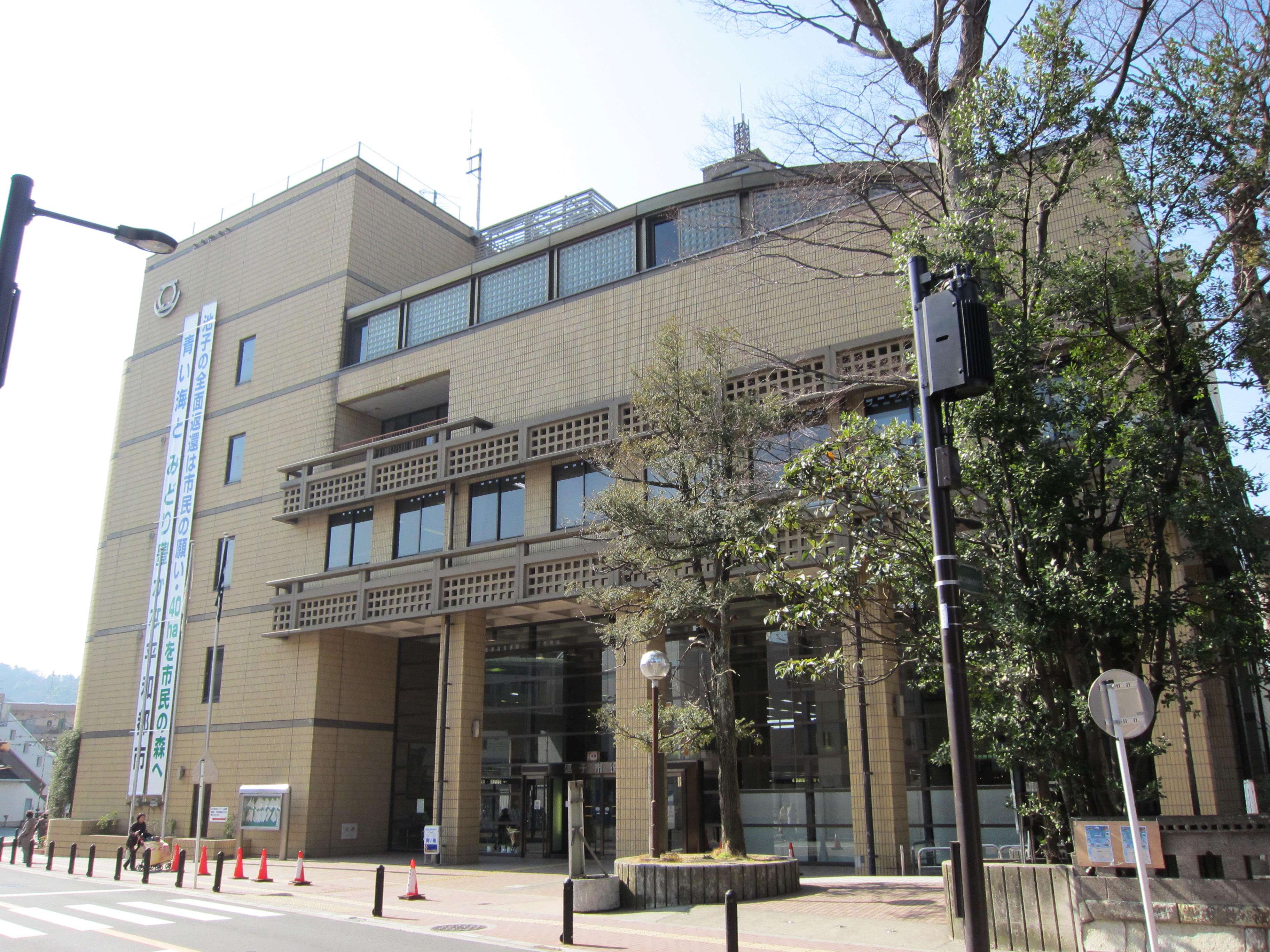
Zushi is a city located in Kanagawa Prefecture, Japan.
Adapted from Wikipedia, CC BY-SA 4.0.
Worth seeing in and around Zushi
10 places within 25 km that the world writes about, in the order of how widely: the ones a visitor has heard of first, then the ones only a local would name.
- 01Kōtoku-in Temple
Kōtoku-in is a Buddhist temple of the Jōdo-shū sect in the city of Kamakura in Kanagawa Prefecture, Japan. Its mountain name is Daii-zan, and its common temple name is Shōjōsen-ji.
5.7 km · Buddhist temple in Kamakura, Kanagawa Prefecture, Japan · Wikipedia - 02Tsurugaoka Hachimangū
Tsurugaoka Hachimangū is the most important Shinto shrine in the city of Kamakura, Kanagawa Prefecture, Japan. The shrine is a cultural center of the city of Kamakura and serves as the venue of many of its most important festivals with two museums.
5.3 km · Shinto shrine in Kanagawa Prefecture, Japan · Wikipedia - 03Engaku-ji Temple
Zuirokusan Engaku Kōshō Zenji, or Engaku-ji, is one of the most important Zen Buddhist temple complexes in Japan and is ranked second among Kamakura's Five Mountains. It is situated in the city of Kamakura, in Kanagawa Prefecture to the south of Tokyo.
6.9 km · Zen Buddhist temple in Kamakura, Kanagawa prefecture, Japan · Wikipedia - 04Kenchō-ji Temple
Kenchō-ji is a Rinzai Zen temple in Kamakura, Kanagawa Prefecture, Japan, which ranks first among Kamakura's so-called Five Great Zen Temples and is the oldest Zen training monastery in Japan. These temples were at the top of the Five Mountain System, a network of Zen temples started by the Hōjō Regents.
6 km · temple in Kamakura, Kanagawa Prefecture, Japan · Wikipedia - 05Yokohama City University
Yokohama City University is a public university, in Yokohama, Kanagawa Prefecture, Japan. As of 2013, YCU has two faculties with a total of around 4,850 students, 111 of whom are foreign.
6.4 km · Japanese university · Wikipedia - 06Hase-dera Temple
Hase-dera, commonly called the Hase-kannon, is one of the Buddhist temples in the city of Kamakura in Kanagawa Prefecture, Japan, famous for housing a massive wooden statue of Jūichimen Kannon, an eleven-headed manifestation of the Bodhisattva Kannon. The temple originally belonged to the Tendai sect of Buddhism, but eventually became an independent temple of the Jōdo-shū.
5.6 km · Buddhist temple in Kamakura · Wikipedia - 07Shichirigahama
Shichirigahama is a beach near Kamakura, Kanagawa Prefecture, Japan, which goes from Koyurugimisaki Cape, near Fujisawa, to Inamuragasaki Cape, west of Kamakura. Since from it one could enjoy a clear view of both Mount Fuji and Enoshima at the same time, during the Edo period it was popular as a subject for ukiyo-e.
7.2 km · sandy beach in Kamakura, Kanagawa prefecture, Japan · Wikipedia - 08Kanazawa Bunko
Kanazawa Bunko, formally titled the Kanagawa Prefectural Kanazawa-Bunko Museum, is a museum located in Kanazawa Ward, Yokohama, Japan. It features a collection of traditional Japanese and Chinese art objects, many dating from the Kamakura period.
7.9 km · museum in Japan · Wikipedia - 09Jufuku-ji Temple
Kikokuzan Kongō Jufuku Zenji, usually known as Jufuku-ji, is a temple of the Kenchō-ji branch of the Rinzai sect and the oldest Zen temple in Kamakura, Kanagawa Prefecture, Japan. Ranked third among Kamakura's prestigious Five Mountains, it is number 24 among the Thirty-Three Kamakura Kannon pilgrimage temples and number 18 of the Kamakura Nijūyon Jizō temples.
5.5 km · building in Kamakura, Kanagawa Prefecture, Japan · Wikipedia - 10Tōkei-ji Temple
Matsugaoka Tōkei-ji, also known as Kakekomi-dera or Enkiri-dera, is a Buddhist temple and a former vihāra, the only survivor of a network of five nunneries called Amagozan, in the city of Kamakura in Kanagawa Prefecture, Japan. It is part of the Rinzai school of Zen's Engaku-ji branch, and was opened by Hōjō Sadatoki and founding abbess Kakusan-ni in 1285.
6.7 km · building in Kamakura, Kanagawa Prefecture, Japan · Wikipedia
Ranked by the number of language editions of Wikipedia with an article on each, from Wikidata; the sentences are the openings of those articles, CC BY-SA 4.0.
Getting to Zushi
- Airports
- Tokyo Haneda (HND), 35 km · Narita (NRT), 91 km · Ibaraki (IBR), 125 km
- Stations
- Kamakura Station, 5 km · Ōfuna Station, 9.1 km · Katase-Enoshima Station, 9.5 km · Kita-Kamakura Station, 7 km · Zushi Station, 1.6 km
- Narita → Zushi86 km · quickest by road, 2h 51m · ¥1,320–1,800
- Omitama → Zushi126 km · quickest by road, 3h 36m · ¥1,630–2,220
- Makinohara / Shimada → Zushi137 km · quickest by road, 3h 13m · ¥2,060–2,810
- Plan a tripFrom anywhereThe planner compares every way there from wherever you are.
Road and air are today’s quick answer; timetabled trains, buses and ferries load on the results page from the operators’ feeds.
No local-transport research exists yet for Zushi
Our researched notes are written from a sourced entry: every shared taxi, boat and village bus with its operator, its rule, its fare and the year we saw it, and what could not be confirmed. Nobody has done that work for Zushi. What is above is what we hold from open sources; nothing here pretends to be more.
- Get inKamakura is a very popular day trip from Tokyo for locals and tourists alike, and there are plenty of transportation options.
From Wikivoyage: Kamakura, CC BY-SA. Not yet checked by us; that article was last edited 2026-05.
- 011,201 km
- 021,335 km
- 031,544 km
- 041,924 km
- 052,125 km
If you know how people move in Zushi – the stand, the rule, the fare – tell us, and the note gets an entry.
Next door to Zushi
Zushi is 8 km from Yokosuka, the nearest large city, whose note carries the wider picture.
- Kamakuracity in Kanagawa prefecture, Japan5.2 km
- Yokosukacity in Kanagawa Prefecture, Japan8.1 km
- Hayamatown in Miura district, Kanagawa prefecture, Japan1.3 km
- Kanazawa-kuone of 18 wards of the city of Yokohama, Japan7.1 km
- Sakae-kuone of the 18 wards of the city of Yokohama in Kanagawa Prefecture, Japan9.4 km
- Miura districtdistrict in Kanagawa prefecture, Japan1.3 km